Showing posts with label Health. Show all posts

Sunday, July 19, 2026

Ways to Start Enjoying Food Once Again


Food is about much more than satisfying hunger. It brings people together, creates lasting memories, and allows us to experience different cultures and flavors. However, for many people, eating can become less enjoyable due to health concerns, changes in appetite, or oral health issues that make chewing uncomfortable. The good news is that there are plenty of ways to rediscover the pleasure of eating. By addressing the underlying causes and making a few positive changes, you can once again look forward to mealtimes with confidence.

Try New Flavors and Recipes

Sometimes, enjoying food is simply about breaking out of a routine. If you've been preparing the same meals week after week, experimenting with new ingredients, herbs, and cuisines can make eating far more exciting. Trying seasonal produce, cooking from scratch, or recreating favorite restaurant dishes at home can all help bring variety back to your diet.

Eat More Mindfully

Busy lifestyles often mean meals are eaten in a hurry, leaving little time to appreciate the food itself. Slowing down and eating mindfully can completely change your experience. Taking time to notice flavors, textures, and aromas allows you to enjoy each meal more fully while also helping you recognize when you're comfortably full. Creating a relaxed environment by sitting at the table without distractions can make everyday meals feel much more enjoyable.

Address Any Dental Problems

If eating has become uncomfortable because of missing or damaged teeth, it may be worth speaking to your dentist. Difficulty chewing can limit the foods you feel comfortable eating, causing you to avoid foods that you once loved.

For people who have lost one or more teeth, dental implants may help restore both comfort and confidence when eating. Because they are securely fixed in place, they can provide a stable biting surface that allows many people to enjoy a wider range of foods again. Seeking professional advice can help you understand whether this treatment is suitable for your individual needs.

Choose Foods That Support Your Health

A balanced diet does not have to be boring. Colorful fruit and vegetables, lean proteins, whole grains, healthy fats, and fresh ingredients all contribute to meals that are both nutritious and satisfying. Preparing meals with fresh ingredients also gives you greater control over flavors and portion sizes while encouraging healthier eating habits.

Share Meals with Others

Food often tastes better when shared. Eating with family, friends, or colleagues creates opportunities for conversation and connection, turning an ordinary meal into a social occasion. Even something as simple as inviting friends around for dinner or arranging a regular family meal can help make eating feel more enjoyable.

Pay Attention to Your Appetite

Stress, illness, medication, and tiredness can all affect appetite. If you have noticed lasting changes in your ability to enjoy food, it is worth discussing them with a healthcare professional to rule out any underlying issues. Supporting your overall health through regular exercise, good sleep, and stress management can also improve appetite and make meals more enjoyable.

Explore Different Textures

If certain foods have become difficult to eat, experimenting with different textures can help you maintain a varied diet while remaining comfortable. Soups, casseroles, smoothies, and slow-cooked meals can be excellent options if you are recovering from dental treatment or experiencing temporary discomfort. As your oral health improves, you may find yourself able to gradually reintroduce firmer foods.

Final Thoughts

Enjoying food is an important part of living well, and there are many ways to rediscover that enjoyment. Whether it is trying new recipes, eating more mindfully, improving your oral health, or sharing meals with loved ones, small changes can make a significant difference.

Thursday, July 16, 2026

Self-Care Investments That Can Have a Lasting Impact


Self-care is often associated with relaxing weekends, spa treatments, or the occasional indulgence. While those moments certainly have their place, the most valuable forms of self care are often the ones that continue paying off for years rather than days.

Investing in your long-term wellbeing means making choices that improve your health, confidence, and quality of life well into the future. Here are some of the self-care investments that can deliver lasting benefits.

Prioritize Preventive Healthcare

One of the smartest investments you can make is staying ahead of potential health concerns. Regular medical and dental check-ups, health screenings, and vaccinations help identify problems before they become more serious.

Rather than waiting until something feels wrong, preventive care allows you to take control of your health and often leads to simpler, less invasive treatment. The World Health Organization recognizes preventive health habits as a core part of effective self-care. 

Improve the Quality of Your Sleep

Sleep influences almost every aspect of physical and mental wellbeing. Consistently getting enough high-quality sleep supports concentration, immune function, mood and recovery.

Small investments such as blackout curtains, supportive pillows or establishing a regular bedtime routine can produce benefits that extend far beyond feeling rested the next morning.

Build Strength for the Future

Exercise isn't only about appearance. Strength training, mobility work and regular movement help maintain balance, bone health and independence as you age.

Investing time in staying physically strong today makes everyday tasks easier tomorrow, whether that's carrying shopping, travelling or enjoying hobbies without discomfort.

Create an Environment That Supports Healthy Habits

Your surroundings have a greater influence on your behavior than many people realize.

Simple changes like organizing healthy foods where they're easy to reach, creating a comfortable workspace, or setting aside a dedicated place to exercise make positive habits much easier to maintain consistently.

Invest in Your Oral Health

Your smile affects much more than appearance. Healthy teeth and gums support eating, speaking, and confidence, while also contributing to your overall well-being. Oral health plays an important role in daily quality of life and is closely connected to general health. 

If you've experienced years of dental problems, missing teeth, or significant wear, working with a full mouth restoration dentist can help restore function, comfort, and confidence through a comprehensive treatment plan tailored to your individual needs.

Learn to Manage Stress Before It Manages You

Stress is unavoidable, but how you respond to it can make a significant difference.

Developing techniques such as mindfulness, breathing exercises, journaling, or spending time outdoors provides practical tools that support both emotional resilience and physical health over the long term.

Protect Your Vision and Hearing

Many people delay eye and hearing tests because changes often happen gradually. However, maintaining these senses supports independence, communication, and safety throughout life.

Routine appointments and timely treatment can preserve quality of life for many years.

Invest in Skills That Improve Everyday Life

Self-care isn't limited to physical health. Learning practical skills such as cooking nutritious meals, managing finances, or developing better time management can reduce stress and improve confidence every single day.

Knowledge is one of the few investments that continues to grow in value over time.

Nurture Meaningful Relationships

Strong social connections are closely linked with improved mental health and overall well-being.

Making time for family, friendships, and community activities may not feel like a traditional self-care practice, but meaningful relationships often provide emotional support during both ordinary days and life's biggest challenges.

Think Long-Term Instead of Short-Term

The most rewarding self-care investments rarely deliver instant results. Instead, they build gradually through small, consistent actions repeated over months and years.

Whether it's protecting your health, strengthening your body, caring for your smile, or developing healthier daily habits, every positive decision contributes to a future where you can enjoy greater comfort, confidence, and independence.

True self-care isn't about quick fixes. It's about making thoughtful investments today that allow you to live a healthier, happier, and more fulfilling life tomorrow.

Thursday, June 18, 2026

The Pain Map: Navigating Upper vs. Lower Belly Trouble


Masakit ang tiyan? Sure ka bang tama ang gamot mo diyan?

Filipinos tend to treat “masakit ang tiyan” as one simple problem with one go-to solution. But is it really that simple? A stomachache can mean many things: kabag, pangangasim ng sikmura, constipation, or even cramps. Same stomach, different causes, so when it comes to getting over that belly pain, it’s never a one-size-fits-all answer.

Instead of guessing, it helps to understand what your body is actually telling you. Think of your
belly as a map. Each zone corresponds to different organs, so where it hurts can reveal just as
much as how it feels. Read both right, and you’re not just guessing— you’ll actually get to the
bottom of it.

The Upper Belly Pain: Is it Indigestion—or Something Worse?

Upper belly acting up? That familiar flaring up or hapdi, uncomfortable bloating, or a sharp, gnawing pain? That’s not just a random stomachache; that’s usually hyperacidity or pangangasim ng sikmura. These are often felt above the navel, up to the chest area, and tend
to show up after meals— especially after that extra spicy, oily, or that “promise, last na ‘to” moment.

This kind of discomfort is your digestive system reacting in real time. The usual suspects are indigestion, acid reflux, and kabag. Same upper belly zone, but different triggers. Manageable at first, but if the pain sticks around, worsens, or comes with red flags like vomiting, fever, or unexplained weight loss, that’s your cue to stop guessing and get it checked.

The Lower Belly Trouble: Just a Passing Cramp—or Something More Serious?
Creative Visualization


If the pain hits around or below the navel, it may be linked to Functional Abdominal Cramping Pain (FACP). Think hilab, ipit, tusok—the kind of pain na namimilipit sa sakit, and it often comes and goes.

FACP can appear on its own or with symptoms like pagtatae (diarrhea), constipation, or bloating. One minute you’re fine, the next you feel butterflies in your stomach—and not the kilig kind. It’s not always triggered by food either. Stress, pressure, and kaba can also directly affect your gut.

At its core, this type of pain is tied to how your digestive system functions—factors like gut sensitivity, intestinal muscle movement, or even an imbalance of “good” and “bad” bacteria can all play a role. But if the pain becomes severe, one-sided, or comes with fever, nausea, or difficulty urinating, don’t brush it off. That’s your sign to get it checked.

What Can You Do For Upper and Lower Belly Pains

This is where it gets practical. If it’s upper belly pain caused by acid, antacids can help calm the burn. If it’s lower belly cramps, that’s where antispasmodics like Hyoscine N- Butylbromide (Buscopan) come in to ease the tension.

Hyoscine N-Butylbromide (Buscopan) is a naturally derived antispasmodic suitable for adults and children over 6 years old. It treats pain at the source, works in as fast as 15 minutes, and provides all-day relief—while helping reduce the intensity and frequency of lower belly pain episodes.

For milder cases, Hyoscine N-Butylbromide (Buscopan) is recommended for light to moderate abdominal cramps, while Hyoscine N-Butylbromide Paracetamol (Buscopan Plus) is designed for more severe cramping. The usual dose is 1–2 tablets, 3x a day for not more than 3 days, or as prescribed by your doctor.

Busco-Mono-ConPack

Busco-plus-ConPack

Your body’s not being dramatic—it’s being specific. Masakit ang tiyan isn’t just one thing, and where the pain hits is a clue, not a coincidence. Go back to the map: upper or lower, hapdi or hilab—each one points to a different cause, and a different solution.

Read it right, and you can stop guessing and choose the right care—whether it’s for pangangasim ng sikmura, kabag, constipation, or cramping pain like FACP (where antispasmodics like Buscopan can help).

Because at the end of the day, hindi lahat ng sakit ng tiyan pare-pareho—and your treatment shouldn’t be either. And when in doubt, it’s always best to consult your doctor.

IF SYMPTOMS PERSIST, CONSULT YOUR DOCTOR


Wednesday, February 18, 2026

Get a handle on your love handles


Age, genetics, body composition, and hormonal changes can all contribute to having love handles.


What’s there to love about love handles? Nothing, say those cursed with excess fat spilling out from their waistband. Not only do they look absolutely unflattering in a crop top, two-piece swimsuit, or form-fitting dress, but having your Significant Other playfully pinch at your sagging sides during a sweet moment is downright embarrassing.

Why does fat settle there in the first place? Juancho Alfredo D. Las, MD from top hospital in the Philippines, Makati Medical Center (MakatiMed) attributes love handles (aka “muffin top” and “spare tire”) to a number of factors.

“Fat develops when you accumulate more calories than you burn or use as energy,” explains Dr. Las. “The more fat cells you have, the more visible they are on your body. Age, genetics, body composition, and hormonal changes determine where fat settles, but the most common areas are the upper back, arms, stomach, buttocks, thighs, and abdomen.”

While excess fat is considered unhealthy, belly fat is particularly concerning because of its implications to your health. 


“When we talk about abdominal fat, there’s subcutaneous fat, or the fat directly under the skin that you can pinch, then there’s visceral fat, or fat that surrounds the heart, liver, and kidneys,” says Dr. Las. “A certain amount of visceral fat is normal, but too much increases your risk for developing heart disease, stroke, type II diabetes, hypertension, and certain cancers.” 


Before you get into plank position or start doing crunches, here’s what fitness experts have to say about it: Spot-exercising doesn’t work. In reality, the body burns fat evenly all over, not just in specific areas. 


Instead, adopt these time-tested, doctor-approved recommendations that not only reduce love handles, but prove beneficial to your overall health and wellbeing. 


Favor whole foods. If you live off a diet of ultra-processed foods, you’re not just setting yourself up for that dreaded spare tire on your waist; you’ll likely develop high blood pressure, high blood sugar, and high cholesterol from food that’s notoriously loaded with sodium, fat, and empty calories. Dr. Las recommends sticking to natural, minimally processed foods like protein-rich chicken and fish; high-fiber leafy green veggies, fruits, oatmeal, and beans; and avocado and nuts for their good fats. For whole grains, pick red or brown rice, but if you prefer white, skip that extra serving! Wash them all down with water, still the healthiest beverage there is.


Move more. Even if you sit before a computer all day, you can still squeeze in ways to be active. “Use the stairs instead of an elevator or escalator. Walk short distances instead of commute. Take walking breaks after sitting for 30-60 minutes at your desk. Enlist the company of a colleague to walk, run, play a sport, or sign up at the gym with you after work so you can motivate each other to stay the course,” suggests Dr. Las. Yes, cardio workouts burn fat, but don’t discount strength-training too. Exercising with weights or resistance bands has been known to burn calories long after your workout is over. 


Tweak your lifestyle. Managing stress reduces the body’s production of cortisol, the hormone that stores fat in the tummy and triggers cravings for sweet and salty food. Sleeping for the recommended 7-8 hours a night also controls cortisol’s release and doesn’t disrupt the appetite hormones leptin (which makes you feel full) and ghrelin (aka the hungry hormone). Nicotine likewise messes with these hormones, so quit smoking immediately.  


“Alcohol—especially if you consume a lot in one sitting—contains a lot of calories,” says Dr. Las. “When you take in a lot of alcohol, your liver prioritizes processing it instead of burning fat and carbohydrates. This leads to fat settling in the midsection.” 


Quips Dr. Las, “Now you know why it’s called beer belly.” 

For more information, please contact MakatiMed On-Call at +632.88888 999, email mmc@makatimed.net.ph, or visit www.makatimed.net.ph.  Follow @IamMakatiMed on Facebook and Twitter.


Monday, February 9, 2026

Put Yourself First with These Health & Beauty Treatments


In the rush of daily responsibilities, it is easy to place your own needs at the bottom of the priority list. Work deadlines, family commitments, and social obligations often take center stage, leaving little time to focus on personal wellbeing. Yet choosing to put yourself first is not selfish; it is essential. Investing in your health and appearance can strengthen confidence, support mental wellbeing, and help you show up as your best self in every area of life.

Modern health and beauty treatments are tools that can help you feel more comfortable, refreshed, and aligned with how you see yourself. If you have been considering making a change, this could be the moment to explore options that genuinely support your wellbeing.

Prioritize Skincare That Supports Long-Term Health

Healthy skin is often associated with vitality, and caring for it goes far beyond aesthetics. A consistent skincare routine can protect against environmental damage, slow visible signs of aging, and improve overall texture. If you can set aside time for professional treatments, such as medical-grade facials, gentle chemical peels, or laser therapies, you can target concerns like uneven tone, fine lines, and congestion more effectively than over-the-counter products alone. The bonus of this self-care act is that it can become a calming ritual, your reminder that you deserve moments of care within a busy schedule.

Do Not Overlook Preventive Health Measures

Putting yourself first also means staying proactive about your physical health. Consider whether you have been postponing appointments or ignoring minor concerns. Addressing them now can provide reassurance and prevent unnecessary stress later. True self-care often involves the steps that protect your future wellbeing, even if they seem small today. When your health feels stable and supported, it becomes far easier to focus on the things that bring you joy.

Restore Confidence in Your Smile

Your smile plays a powerful role in how you present yourself to the world. If you feel self-conscious about chipped, uneven, or discolored teeth, it can quietly influence how often you smile or speak with ease.

For those seeking a long-lasting enhancement, Houston veneers are a popular cosmetic treatment. These thin, custom-made shells are bonded to the front of the teeth to improve their shape, color, and overall symmetry, and because they are designed specifically for each individual, the results typically appear natural rather than overly polished.

Beyond the physical transformation, many people notice a meaningful boost in confidence after improving their smile. Feeling proud of your teeth often encourages you to engage more freely in conversations, laugh without hesitation, and approach social or professional situations with greater assurance.

Support Your Mental Wellbeing

Health and beauty are not limited to what you see in the mirror. Emotional balance is equally important, yet it is frequently overlooked. Carving out time for activities that restore your energy, whether that means exercise, mindfulness practices, creative hobbies, or speaking with a professional, can significantly improve how you feel day to day. Even small adjustments, such as setting clearer boundaries or allowing yourself proper rest, can have a lasting impact .When your mind feels supported, confidence tends to grow naturally.

Step Into a More Empowered Version of Yourself

Making your health and beauty a priority is not an indulgence, and it’s not about becoming someone new; it is an investment in the life you want to lead. It is about giving yourself permission to feel as strong, capable, and confident as you truly are.

Wednesday, June 18, 2025

Why keeping up with vaccines even as an adult matters


MakatiMed underlines that a single person’s vaccines impact the health and well-being of the community.

The news of the death of 48-year-old Taiwanese star Barbie Hsu, fondly remembered by Filipinos as Sancai of the 2000s hit TV series Meteor Garden, not only shocked fans around the country but also served as a stark reminder of the potential complications that can arise from even seemingly mild illnesses like the flu.

Hsu’s tragic and untimely passing underscores the importance of staying up to date on vaccinations, even for healthy adults. As emphasized by Dr. Ryan Raymond Y. Bautista of MMC HealthHub from top hospital in the Philippines Makati Medical Center (MakatiMed), even minor health issues like the flu or infections may significantly disrupt daily life. They may lead to lost income, increased expenses for medication or hospital confinement, or in some cases, serious health complications. Yet, most of these diseases can be prevented by keeping up with one’s vaccines.

“Even if the immune system of adults is fully developed compared to that of a baby or child, it still does not exempt them from contracting preventable and potentially fatal diseases,” says Dr. Bautista. “Vaccinations are a crucial preventive measure that can protect individuals from serious illnesses and their devastating consequences. Vaccines contain weakened or inactivated forms of bacteria or viruses, which will allow the body to recognize the disease-causing organism and produce antibodies to prevent full-blown infections and minimize complications in the future.”

With the flu season now in full swing in the Philippines, MakatiMed enumerates vital vaccines every adult should have:

Flu vaccine

A viral infection, influenza (or the flu), is marked by high fever, cough, sore throat, runny or stuffy nose, head and body aches, and vomiting. Of the three types of human flu—A, B, and C—it’s A and B that debilitate you with their severe symptoms. The flu can be fatal because it can lead to severe complications like pneumonia and respiratory failure.

Given annually, just before the start of nippy, sweater weather in January, flu vaccines in the Philippines include quadrivalent (which protects you from two types of influenza A and two types of Influenza B), adjuvanted (recommended for those 65 years and up), and jet injector (the variant given to those aged 18 to 64). “It takes about two weeks for your body to develop antibodies against the flu virus,” shares Dr.Bautista.“The vaccine protects you for a year.”

Pneumonia vaccine

Traced to the bacteria Streptococcus pneumoniae, pneumonia is the third leading cause of death across all ages in the Philippines. The disease can cause breathing difficulties, which can affect oxygen levels in the body.

“Adults—particularly senior citizens and those with compromised immune systems—are encouraged to avail of PVC13 (which protects you against 13 types of pneumococcal bacteria) and PPSV23 (which protects you against 23 types of pneumococcal bacteria),” says Dr. Bautista. “For patients over 60 years old and above, PCV13 is given as a single dose, followed by PPSV23 one year later. This series may provide lifetime protection. The latest versions of the vaccine, PCV15 and PCV20, no longer require supplementation with PPSV23. For individuals aged 18 to 64 with stronger immune systems, only PCV13 is recommended.

Tdap vaccine

Tdap protects against three bacterial infections: tetanus, also known as lockjaw as it causes painful muscle spasms especially in the neck and jaw; diphtheria, which can affect upper respiratory tract as well as the heart and the nerves; and pertussis, a contagious respiratory infection also known as whooping cough that can lead to disruptive bouts of coughing. All three infections can restrict breathing, which can be fatal.

“Adults are advised to get Tdap vaccine once if they haven’t received a shot before and get a booster every 10 years,” recommends Dr.Bautista. “It’s also given to pregnant women and for adults who are expected to be around newborns like grandparents and caregivers.”

Pain at the injection site, chills, and fever are common side effects of these three vaccines." These should subside within a few days," assures Dr. Bautista.

The temporary discomfort is certainly a small price to pay for the protection you’ll receive against these illnesses and their potential complications. Getting vaccinated not only benefits your own health and well- being, but also positively affects the health and well-being of your loved ones and community.,” says Dr. Bautista. “Make it a point to get vaccinated.”

For more information, please contact MakatiMed On-Call at +632.88888 999, email mmc@makatimed.net.ph, or visit www.makatimed.net.ph. Follow @IamMakatiMed on Facebook and Twitter.


Sunday, March 9, 2025

Four ways Filipinas can maintain a healthy heart


In their 20s, women worried about acne and dysmenorrhea; in their 30s, they focused on reproductive health; in their 40s, they got their first mammogram; in their 50s, they sought ways to manage the effects of perimenopause. Throughout their lives, women are primed to watch out for female-associated conditions like breast cancer, cervical cancer, and maternal mortality. But what about heart health?

Both men and women are susceptible to heart disease, with common risk factors including hypertension, diabetes, obesity, and smoking. However, women face unique risk factors, including hormonal changes associated with perimenopause and pregnancy.

“Estrogen, which declines during perimenopause and menopause, is known to help keep the blood vessels relaxed and open, which in turn helps maintain healthy blood pressure. It also helps control cholesterol levels, preventing plaque buildup in arteries,” reveals Jasmin Melissa B. Bernardo, MD of the Department of Cardiology of top hospital in the Philippines Makati Medical Center (MakatiMed) and current President of the Philippine Society of Vascular Medicine. “Meanwhile, complications during pregnancy like preeclampsia and gestational diabetes could increase a woman’s risk of future heart health issues.”

There’s nothing wrong with loving yourself a little bit more. Ladies, start with these four heart-friendly tips from MakatiMed.

Know your numbers. 

“One of the reasons why stroke is the second leading cause of death in the Philippines is because few Filipinos know their average blood pressure—much less the fact that they’ve been hypertensive all this time and haven’t done anything about it. Aim for a blood pressure of 120/80 mm Hg or less,” says Dr. Bernardo. “Always seek to achieve and maintain normal results – normal lipid profile, normal sugar, normal weight.” Monitor these figures during your company’s annual checkup or commit to seeing a family physician at least once a year.

Don’t disregard the symptoms. 

When it comes to heart attacks, women’s symptoms vary slightly from men’s. “Yes, they too experience pressure on their chest,” shares Dr. Bernardo. “But they also have jaw or back pain, nausea and vomiting, weakness in the arms, and flu-like symptoms. If you feel unwell, err on the safe side and check your blood pressure and heart rate, apart from the symptoms. If you think something is amiss, contact your primary physician—or bring yourself to the emergency room.”

Eat better, move more. 

Fast food may be the most convenient way to squeeze in lunch on a packed workday or serve dinner to the family because you were too busy to cook, but it isn’t as good for your health. “Ideally, a meal loaded with vegetables and complemented with lean protein and complex carbs is a heart-healthy choice,” says Dr. Bernardo. “Try to exercise for 40-60 minutes four times a week. 

Exercise lowers blood pressure and blood sugar, keeps you at a healthy weight, and releases endorphins, ‘happy hormones’ that naturally lift the spirit. Can’t go to the gym because you were stuck at the office? Walk every chance you get. Aim for 7,000 to 10,000 steps a day.

Dr. Bernardo underlines that even if you can’t reach 10,000 steps a day, simple adjustments like taking the stairs instead of the elevator, choosing parking spots further away from the destination, engaging in household chores, and adding light exercises throughout the day like squats, stretches, jumping jacks, and even running in place can significantly help improve your heart health. Investing in a fitness tracker to monitor steps and activities may also help you evaluate your progress.

Manage stress. 

Single women, wives, mothers, and career women will definitely benefit from some much-needed time out from work and home life. “Go on leave. See friends. Exercise. Meditate. Sleep. Consult a professional if the stress becomes overwhelming. The break will clear your mind and energize you, giving you renewed motivation to face demanding days at home or in the workplace,” emphasizes Dr. Bernardo.

“Women can do it all, but they also have to remember that they are not exempt from heart disease—or any disease for that matter,” adds Dr. Bernardo. “Easy changes in your lifestyle and attitude towards heart health help a lot in keeping you healthy and happy for years to come.”

For more information, please contact MakatiMed On-Call at +632.88888 999, email
mmc@makatimed.net.ph, or visit www.makatimed.net.ph. Follow @IamMakatiMed on Facebook and
Twitter.


Wednesday, December 18, 2024

Is work stress driving your blood pressure up?


Headaches and stiffness in the neck are all typical symptoms of stress, which drives up blood pressure. 

Hardworking, dependable, resilient, and resourceful – just four of the many words used to describe what Filipinos are like on the job. In its 2021 report, Gallup, the global analytical firm, added another word to the list: stressed. According to Gallup, Filipino workers are the most stressed in Southeast Asia.

The occasional pressure can be good, motivating you to overcome challenges or go above and beyond your limits. But when the stress is chronic—meaning, it’s brought about daily by a demanding profession or terror boss—it can have detrimental effects on your health. “You know you’re stressed because you can feel it,” says Ramon D. Francisco, MD of the Department of Cardiology of the top hospital in the Philippines Makati Medical Center (MakatiMed). “Headaches, nausea, upset stomach, and pain and stiffness in the neck are all typical symptoms of stress.”

There are also signs of stress that tend to go unnoticed until it’s too late. “High blood pressure is known as the ‘silent killer’ because it often poses no symptoms,” explains Dr. Francisco. “You’ll only know you have high blood pressure when you have your blood pressure taken—or when you suffer a heart attack or stroke.”

Stress is one of the factors as it pushes the body to release hormones that make your heartbeat faster and elevate your blood pressure, adds Dr. Francisco. “Stress can also lead you to pick up unhealthy habits like smoking, drinking alcohol, stress-eating unhealthy food, and living sedentarily that can make you develop high blood pressure.” MakatiMed suggests maintaining healthy blood pressure levels with these ideas for managing a stressful work environment.

Go exercise by taking a walk during your lunch break or forming a running club with colleagues and training regularly so you can join a 5K, suggests Dr. Francisco. “Yoga, with its slow and gentle movements, is a good way to unwind from a hectic day. Standing up and pacing around the office for a few minutes is enough to shake off some tension.”

Eat well by replacing chips and soda with healthier alternatives like water, peanuts, or fresh fruit. “Try joining health challenges like Meatless Mondays, a global campaign to reduce your intake of meat for the sake of your health and the planet,” says Dr. Francisco. “Little changes in your diet can have a big impact on your weight and the numbers on the blood pressure machine and your next blood test.”

Sure, binging on the latest K-drama counts as destressing, but nothing beats getting quality sleep. “You’ll reap more rewards by sleeping for the recommended 7-9 hours,” reminds Dr. Francisco. “When you sleep, your heart rate and blood pressure slow down, and your brain rids itself of unnecessary information while storing new ones. Sleep is also the time when the body repairs muscles and regenerates skin cells making you think sharper and ready to face another tough day ahead.”

“Sometimes, it’s all about mindset. If work is toxic and has begun to affect you physically, mentally, and emotionally, consider leaving. No job is more important than your health and wellbeing,” states Dr. Francisco. “If you can accept the work situation for what it is, just focus on doing your best and on being positive, helpful, and kind. That attitude will not only reduce your stress (and your blood pressure), it will also create a lighter, more pleasant, and hopefully, less stressful work environment.”

For more information, please contact MakatiMed On-Call at +632.88888 999, email mmc@makatimed.net.ph, or visit www.makatimed.net.ph. Follow @IamMakatiMed on Facebook and Twitter.

Wednesday, November 13, 2024

Revolutionizing Wellness with Cutting-Edge Treatments


Wellness is no longer just about maintaining good health through traditional methods like diet and exercise. As medical technology advances at an exponential rate, innovative treatments are shaping the future of how we care for our bodies and minds. From breakthroughs in regenerative medicine to personalized therapies tailored to individual genetic makeup, cutting-edge wellness treatments are revolutionizing how we approach healing and vitality.

The Rise of Regenerative Medicine

One of the most exciting developments in wellness is regenerative medicine, which focuses on harnessing the body's natural healing processes to restore damaged tissues and organs. Stem cell therapy, platelet-rich plasma (PRP) injections, and tissue engineering are at the forefront of this approach. These treatments are showing immense promise in healing injuries, improving joint function, and even potentially reversing age-related decline.

Stem cell therapy, in particular, has gained significant attention for its potential to regenerate tissues that were once thought to be irreparable. By stimulating the body's own repair mechanisms, stem cells can help regenerate cartilage, muscle, and bone tissue, offering a more natural and effective alternative to surgery. Meanwhile, PRP injections, which use the patient's own blood to promote healing, are becoming a popular option for treating chronic pain and accelerating recovery from injuries.

GAINSWave treatment in Downers Grove, IL, is gaining recognition as a breakthrough non- invasive therapy for men experiencing erectile dysfunction. This innovative procedure uses high-frequency sound waves to enhance blood flow and stimulate tissue repair, offering a natural alternative to pharmaceuticals or more invasive treatments.

Personalized Health and Genetic-Based Treatments

As we learn more about genetics, personalized wellness treatments are becoming increasingly tailored to each individual's unique genetic profile. The advent of genetic testing has opened the door to more precise treatments that can target specific health concerns based on one's genetic makeup.

For example, genetic testing can help identify predispositions to certain diseases, allowing healthcare providers to recommend preventative measures or lifestyle changes that are specific to the individual. Additionally, treatments like gene therapy are making strides in addressing conditions like genetic disorders, certain cancers, and even some neurodegenerative diseases. By correcting genetic mutations, these therapies aim to treat the root cause of a disease rather than simply alleviating symptoms.

Artificial Intelligence in Wellness

Artificial intelligence (AI) is also making waves in the wellness industry. AI-powered tools are enabling more accurate diagnostics, personalized treatment plans, and ongoing monitoring of health conditions. From wearable devices that track daily physical activity and heart rate to AI-driven platforms that offer mental health support, technology is helping individuals take a more proactive approach to their well-being.

AI can analyze vast amounts of data, providing insights that were previously difficult to obtain. For example, AI-based algorithms can now detect early signs of diseases like cancer and diabetes, sometimes before symptoms even appear. In addition, machine learning models can predict how patients will respond to certain treatments, allowing healthcare providers to offer more effective and customized care.

The Impact of Mental Wellness Innovations

Mental health is a critical component of overall wellness, and innovative treatments are also emerging in this field. Virtual reality (VR) therapy, for example, is gaining traction as a way to treat anxiety, PTSD, and phobias. VR allows patients to immerse themselves in controlled environments where they can confront their fears or practice relaxation techniques in a safe space.

The Future of Wellness

As wellness treatments continue to evolve, we are witnessing a paradigm shift in how we approach health. The combination of regenerative medicine, personalized care, AI innovations, and mental wellness therapies is ushering in a new era of holistic health. With these groundbreaking treatments, the future of wellness looks brighter than ever, offering individuals more options and greater control over their physical and mental well-being.

As we look ahead, we can expect even more revolutionary treatments that will continue to transform how we approach wellness, healing, and vitality.

Tuesday, June 25, 2024

Skip to the loo for an additional number two? MakatiMed says that there is no reason to be concerned


Nature’s call is hard to deny, especially if it’s number two! This is why we know the malls and gasoline stations with the best comfort rooms—we need that reliable flush and bidet for the extra trip. One can’t help but wonder: is my twice-a-day-or-more bathroom habit something to panic about?

Carlo M. Cornejo, MD, Section Chief of Gastroenterology in the top hospital in the Philippines Makati Medical Center (MakatiMed) says there’s no need to panic—just yet.

“First, there’s really no absolute standard for how often one should poop. Most experts agree healthy bowel movement frequency can range from three times a day to three times a week, depending on the person,” says Dr. Cornejo. “Any changes to this frequency can be caused by a number of dietary and lifestyle factors.”

In fact, pooping more often might be a sign of a healthier body. One of the most common reasons for an increase in bowel movements is due to more fiber intake from vegetables like carrots, broccoli, and beets. Even exercising more causes frequent trips to the bathroom as it helps digestion and makes colon muscles contract more, which helps move stools regularly.

“Eating more fiber and working out are actually things doctors recommend if a patient is constipated. In some cases, pooping more often should be welcomed,” adds Dr. Cornejo.

Other causes for pooping more might just be simple lifestyle factors such as being stressed and frequently drinking coffee. “If you’re stressed out at work then neurotransmitters send signals from the brain to the gut, which may cause the gut to alter your digestion,” explains Dr. Cornejo. “It doesn’t help that many people cope with stress by turning to coffee. One extra cup is enough to cause more movement and muscle contraction in the intestines.”

So, when is pooping more a sign of a serious problem? MakatiMed says to watch out for discomforts like abdominal cramps and pain, bloody stool, and mucus in poop. You should also stay vigilant for possible accompanying symptoms like weight and hair loss. These could be signs of more serious underlying conditions ranging from gastroenteritis to Crohn’s disease.

“Pooping more frequently shouldn’t be anything more than a mild inconvenience at most. You should still be able to go through your daily life largely unaffected,” shares Dr. Cornejo. “As soon as there’s a sign of anything else going on, I highly recommend visiting your doctor before the problem gets worse.”

For more information, please contact MakatiMed On-Call at +632.88888 999, email mmc@makatimed.net.ph, or visit www.makatimed.net.ph. Follow @IamMakatiMed on Facebook and Twitter.


Tuesday, March 12, 2024

Health Experts Encourage Filipinos to Be Vigilant Against Shingles


GlaxoSmithKline's Sabi Nila, a campaign about Shingles

Did you know that 86% of adults significantly underestimate shingles risk and potential severity? GSK and health professionals collaborated to establish a countrywide awareness campaign about shingles, a devastating viral infection. The campaign aims to educate the public on its dangers, impact, and prevention. Shingles are often neglected, although they can lead to serious consequences can occur if not treated appropriately, especially in elderly persons. At age 50, the chance of developing shingles increases significantly.

Shingles, or Herpes Zoster, is caused by the varicella-zoster virus, which is also responsible for chickenpox. Exposure to the chickenpox virus can lead to shingles, as the virus can remain latent in nerve tissue for years before reactivating.

Host Issa Litton; Infectious Diseases Specialist, Dr. Rontgene Solante; Dermatologist, Dr. Gaile Robredo-Vitas; and Geenette Garcia, Suffered from Shingles 4-times; during the panel discussion of “Sabi Nila: The Truth About Shingles” media launch.

The campaign attempts to increase awareness of the condition, its influence on quality of life, and the significance of contacting a doctor for disease prevention. The project aims to clarify myths and give accurate information from healthcare experts and those who have experienced the condition.

Shingles causes a painful skin rash that often blisters and scabs over in 10 – 15 days. 4-5 According to dermatologist Dr. Irene Robredo-Vitas “karamihan talaga ng may shingles and unang una talagang nakakakita ay mga dermatologist”.


Shingles, in addition to causing a rash, has the potential to cause catastrophic problems. Approximately 30% of shingles sufferers will develop chronic nerve discomfort. One in every four shingles sufferers may develop an infection around their eyes, potentially leading to blindness.


According to an infectious diseases specialist, Dr. Rontgene Solante, “shingles is not just an ordinary rash. It has complications that can lead to higher morbidity. It can lead to depression, anxiety, and it can also affect your vision. He further added “a characteristic of shingles is that may tumutubo na mga rashes in one side of the body lang, but the more important characteristic is — ito ay napakasakit. It’s very uncomfortable to the point na yung iba, nahirapan silang mag damit, nahihirapan sila gawin housework nila, daily chores nila because of the severe pain.”


Karen Davila, a journalist and shingles patient, presented her personal experience to highlight the necessity of raising awareness about the condition. I felt depressed. Scared and humiliated. "I have had it twice. I felt depressed, scared, and honestly ashamed. I would not want anybody to go through it."


There are myths and misconceptions surrounding shingles, and one of them is that it is a sexually transmitted disease. According to Dr. Rontgene Solante, “Hindi sexually transmitted ang shingles. because the shingles virus is the same virus that causes chickenpox. When you get older, your immune system goes down and that’s when the chickenpox virus reactivates and can become shingles.”

What most people do not know is that a person's immune system diminishes with age, putting those over 50 at danger, regardless of their overall health. Thus, it is critical to see a healthcare practitioner regarding shingles prevention. But we can do something about it.. Today, we can avoid shingles.

The shingles awareness campaign seeks to arm the public with knowledge through educational materials from health experts. This effort also aims to dispel myths and provide accurate, reliable information, enabling Filipinos to make informed decisions about their health.

These are things to remember with Shingles:

  • Herpes zoster is a common, painful and potentially debilitating illness.
  • Complications of herpes zoster can be severe.
  • There is no good treatment for post-herpetic neuralgia.
  • Herpes zoster is MORE than just a simple rash.
  • There is an urgent need for an intervention that prevents both Herpes Zoster and PHN (Postherpetic neuralgia, the most common long-term complication of varicella-zoster virus (VZV) reactivation. 

Consult your doctor for more information about shingles, and visit www.whatisshingles.ph to learn more. 


Sunday, February 27, 2022

Cardinal Santos Medical Center's Multidisciplinary Approach to Brain and Spine Tumor Management


Brain and Spine Tumor Management- Purple Plum Fairy
Diagnosis of a brain or spine tumor is devastating


What was it like to be diagnosed with a golf ball-sized brain tumor? Any patient diagnosed to have a brain tumor, cancer or any life-threatening disease would surely be devastated. I recently attended a webicon on a multidisciplinary approach to brain and spine tumor management organized by Cardinal Santos Medical Center Hospital. And I was glad to know more about the latest treatment innovation in medicine for brain and spine tumor management as well as certain cancers. 


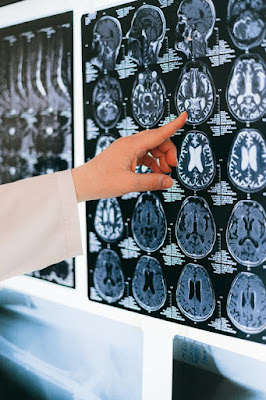
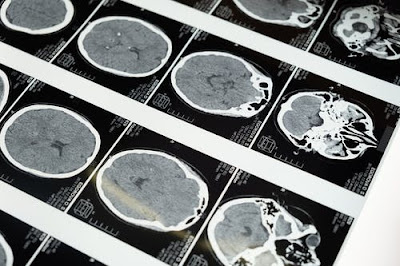
According to a panel of doctors, a brain tumor is a mass or growth of abnormal cells in your brain. There are actually a lot of different types of brain tumors that exist. Some brain tumors are noncancerous (benign), and some brain tumors are cancerous (malignant). Brain tumors can begin in your brain (primary brain tumors), or cancer can begin in other parts of your body and spread to your brain as secondary (metastatic) brain tumors.

How quickly a brain tumor grows can vary greatly. The growth rate, as well as the location of a brain tumor, determines how it will affect the function of your nervous system.

Brain tumor treatment options depend on the type of brain tumor you have, as well as its size and location. 

What are the signs and symptoms of brain and spine tumors?

*Headache

*Nausea

*Vomiting

* Vision problems

*Speech difficulty

*Hearing difficulty

*Weakness in Arms and Legs

*Confusion

*Balance difficulty


But contrary to what most people believed, headaches are not necessarily caused by tumors. In fact, it is rarely caused by a brain tumor. It may be the presenting symptom in 25% of brain tumors. It arises from increased pressure from tumor growth and swelling. 

What headache symptoms require immediate medical care?

*Progressive headaches

*Headaches associated with neurologic symptoms

*Headaches that awaken you at night

*Headaches that worsen with exertion or physical activities

Nausea and vomiting are usually from increased intracranial pressure from an enlarging tumor. Involvement of structures near the vomiting center.

Blurring of vision or double vision: Can present as blurred or double vision, abnormal eye movements, and restricted field of view.  Causes may arise from increased pressure in the brain or compression of specific brain structures. 

Signs and Symptoms of Seizures: Uncontrolled jerking movements of the extremities, loss of consciousness/awareness, temporary confusion, cognitive or emotional symptoms, fear, anxiety, abnormal smell. 

FACTS: Most seizures are not caused by brain tumors. Seizures from brain tumors are usually focal in character. A late-onset seizure/epilepsy should raise suspicion for a possible anatomic cause (stroke, tumor)

 BALANCE PROBLEMS:

From impingement of brain structures that control coordination. May be accompanied by dizziness and cranial nerve dysfunction (facial pain/numbness/weakness, hearing loss, swallowing, and speech pattern). 

Tumors in different parts of the brain or spinal cord can cause different symptoms. But these symptoms can be caused by any abnormality in that particular location — they do not always mean a person has a brain or spinal cord tumor.

Tumors in the parts of the cerebrum (the large, outer part of the brain) that control movement or sensation can cause weakness or numbness of part of the body, often on just one side.

Tumors in or near the parts of the cerebrum responsible for language can cause problems with speech or even understanding words.

Tumors in the front part of the cerebrum can sometimes affect thinking, personality, and language.

If the tumor is in the cerebellum (the lower, back part of the brain that controls coordination), a person might have trouble walking; trouble with precise movements of hands, arms, feet, and legs; problems swallowing or synchronizing eye movements; and changes in speech rhythm.

Tumors in the back part of the cerebrum, or around the pituitary gland, the optic nerve, or certain other cranial nerves can cause vision problems.

Tumors in or near other cranial nerves might lead to hearing loss (in one or both ears), balance problems, weakness of some facial muscles, facial numbness or pain, or trouble swallowing.

Spinal cord tumors can cause numbness, weakness, or lack of coordination in the arms and/or legs (usually on both sides of the body), as well as bladder or bowel problems.

The brain also controls functions of some other organs, including hormone production, so brain tumors can also cause many other symptoms not listed here.

Having one or more of the symptoms above does not necessarily mean that you have a brain or spinal cord tumor. All of these symptoms can have other causes. Still, if you have any of these symptoms, especially if they don’t go away or get worse over time, see your doctor so the cause can be found and treated, if needed.


Cardinal Santos Medical Center's Brain and Spine Institute is a leading force in the field of neurosciences in the Philippines. It provides a full spectrum of neurological services for adults and pediatric with disorders of the brain, spine and neurovascular abnormalities through its subspecialty centers: the Philippine Gamma Knife Center, the Brain and Spine Tumor Center, the Philippine Movement Disorder Surgery Center, the Cardinal Santos Spine Center, the CSMC Stroke Service, the Neurophysiology Center, and the Cardinal Santos Memory Center. It is a recognized referral center for neurological diseases in the country.

Aside from the services mentioned above, they also cater to  the following services as well: 
Adult and Pediatric Brain and Spine Tumors
Congenital, Traumatic, Infectious and Degenerative Spine Disorders
Neurovascular Disorders
Congenital Brain Disorders
Neuromuscular Disorders
Neuropathic Pain Diseases
Dementia and Memory Disorders
Neurodevelopmental Disorders
Epilepsy
Sleep Disorders
Stroke

During the said webicon, Dr. Theodore S. Vesagas, MD, Director of Philippine Gamma Knife Center also discussed Gamma Knife Radiosurgery process and treatment. Gamma Knife surgery is a painless computer-guided treatment that delivers highly focused radiation to tumors and lesions in the brain. Gamma Knife surgery is used to treat brain tumors, arteriovenous malformations, trigeminal neuralgia, acoustic neuroma and tremors.

Related Posts Plugin for WordPress, Blogger...