Showing posts with label Filipino Food. Show all posts

Tuesday, April 28, 2026

CCP Encyclopedia of Philippine Art showcases Filipino food artistry in celebration of Filipino Food Month this April

 With its diverse and rich flavors rooted in indigenous cultures and influences, Filipino cuisine reflects the country’s history and abundant culture. From iconic savory dishes to regional fares,

Filipino food offers not only to satiate hunger but also tells the story of local ingredients and family traditions.

Beyond its taste, the preparation and presentation of every dish highlights the overall appeal of Filipino cuisine and adds visual depth and storytelling. It shows that Filipinos do not just cook food but they do it to show care and express their hospitality.

Filipino food goes far beyond simple nourishment. It reflects a deep sense of creativity and artistry that appears at every stage of the culinary experience: from preparation to plating.

Cooking involves skillful techniques and balanced flavors, often adapted with resourcefulness. Serving styles, like communal meals on banana leaves, emphasize culture and connection. The presentation is vibrant and carefully arranged, making dishes visually appealing as well as delicious.

In celebration of Filipino Food Month this April, the CCP Encyclopedia of Philippine Art (CCP EPA) showcases and promotes the rich Philippine cuisine while also emphasizing how they shape our national and cultural identity and open conversations on its sustainability and conservation.

Do you know your Filipino dishes and local ingredients, as well as their cooking processes and more? Learn more about them through CCP EPA’s comprehensive article on Food Art.

FRUITS AND RELISHES

Relishes and desserts are mostly the preferred mediums for food art since they can be prepared in advance, offering more time for creating designs. A good example is achara, it’s a pickle relish made of grated unripe papaya and other vegetables like cucumber and bell pepper. Its textures and colors are ideal for carving various shapes, figures, and even small scenes, which are then arranged in glass jars to create decorative displays. The natural colors of the ingredients provide many ways for them to express their artistry through arranging these relishes.

Pan de San Nicolas (Photo courtesy of Nicanor G. Tiongson)


Mayumo, the Pampango word for sweet, is a food art from San Miguel de Mayumo in Bulacan.
They preserve different kinds of fruits, mainly suha (pomelo), dayap (lime), kundol (wax gourd), etc. They are carved with decorative patterns before being put in jars for display.

In some provinces, like Laguna, creativity is shown differently, such as stuffing limes with coconut jelly, adding both visual and textural contrast to the dessert.

KAKANIN

The arrangements and packaging of kakanin is another medium for food art. One of the most popular ways of arranging kakanin is by serving it in bilao (flat baskets) which highlights its patterns and colorful visuals. Puto and kutsinta, for instance, are steamed in bamboo tubes or molds, made in different sizes and colors, and arranged in bilao when served.


Other kakanin like suman, ibus, tupig, tamales, and puso also highlight the creativity of wrapping using materials such as coconut fronds, banana leaves, and nipa leaves. For example, suman sa ibus is mostly wrapped in pale young coconut fronds, while in Obando, Bulacan, darker fronds are woven into small triangular baskets.

Tupig from Ilocos is both decorative and practical, commonly enjoyed during holidays or cockpits. In Cebu and Cagayan de Oro, they have puso also known as “hanging rice” encased in woven coconut leaves shaped into portable pouches, with various regional names like balisungsong, lambay, patupat, and tamu.

PASTILLAS

The famous pastillas de leche, sweets made from carabao milk and sugar from San Miguel de Mayumo, are also known for its pabalat (wrappings), made of multicolored thin paper, called papel de japon. They are cut into stars, leaves, flowers, palm leaves and branches, letters and other designs.

Pabalat or pastillas wrappers of papel de japon, Nicanor G. Tiongson Collection


Pabalat artist Luz Mendoza Ocampo uses patterns she personally designed, such as the so-called Maria Clara motif, tinikling, pounding rice grains, nipa hut, birds, and various flowers. She traces the pattern into layers of papel de hapon using a pencil, and then cuts the paper using a cuticle scissor.

Other pabalat artists prefer the freestyle method without using any patterns or drawings by cutting a folded paper freehand. The pabalat tradition in Bulacan is usually practiced by women. Well-known pabalat artists are Amparo Pengson, Rosa David, Nene Pineda, Luz Reyes, and Teresita Ramos.

COOKIES AND BREADS

In Pampanga, during feast day of San Nicolas, cookies designed in his iconography are sold outside churches. Meanwhile, in Bago City, Negros Occidental, alfajor cookies are also popular amongst migrant families from Panay who settled there in the 1920s. The cookies are made of rice flour and sugar then pressed into wooden molds showcasing various designs including symbols like USAFFE and Boy Scouts insignias, flowers, etc. They are typically cooked by being sun-dried.

Animal-shaped bread from Domalaon Bakery, Antipolo City (Photo by Kiko del Rosario)


Breads also serve as an ideal medium for creative food art. In Silay, Negros Occidental, empanadas are meticulously fluted in a milles feuilles style, while in Vigan, Ilocos Sur, panaras are crafted with pinched edges and distinctive patterns. The shaping of tortas reales and castillos, sweets influenced by Spanish heritage, continues alongside more modern cake decorations inspired by American traditions. In Antipolo, Rizal, one bakery is popular for making bread into playful shapes, including lobsters, pigs, turtles, and crocodiles, showcasing a unique form of food artistry.

Monday, August 26, 2024

Solaire Resort's Waterside Restobar Showcases Filipino Culinary Heritage with its Salu-Salo Feast


Waterside Restobar at Solaire Resort and Casino


Solaire Resort & Casino recently treated guests to a culinary journey through the Philippines with a sneak peek of its upcoming Salu-Salo menu at Waterside Restobar. The event showcased a delightful selection of both contemporary classic Filipino dishes and six forgotten dishes meticulously curated by renowned Chef Alfred Santiago.


My husband Michael Jason Ramos and the author, Purple Plum Fairy

Waterside Resto Bar takes a proud look at provincial flavors and showcases some popular regional recipes with a touch of decadent flair. It does a stellar job at elevating local household recipes to level up into world-class. 

The special tasting dinner hosted by Solaire was not only a treat for our taste buds, but also a feast for the eyes. Waterside Restobar incorporates the best recipes throughout different regions in the country.

This feast brings everyone together to explore unique dishes from various Philippine regions, offering a sophisticated take on traditional Filipino dining—The Solaire Way. Indulge in a wide selection of contemporary creations by Waterside’s Chef de Cuisine Alfred Santiago available for dinner every Saturday starting on September 21.


Feel the spirit of Filipino culture as you dine and enjoy vibrant entertainment featuring traditional Filipino music and dance performances, adding an authentic touch to your experience. An array of vibrant dishes is set-up like a “boodle fight” where everyone can feast and enjoy the night together. Be welcomed by a refreshing aperitif like guava-passion fruit infused lambanog or a citrus-guava mocktail. Pair it with unique Filipino appetizers like embutido stuffed inasal wings, glazed banana liempo lumpia, pusit isaw or squid skewers, hibe ukoy bao or dried shrimp fritter steamed bun, and kilawin isda sa ube at ampalaya or vinegar cured bitter gourd and fish.


Savor on your favorite Filipino main dishes or “ulam” (in English means viand) including inihaw na pampano or grilled fish, suwam na mais or Filipino fresh corn soup, tinola halaan sa kawayan or clam soup, crispy pata or crispy pork leg, and chicken adobo sa gata or chicken in coconut milk. Discover the authentic taste of the Ilonggo’s Lauya—a flavorful soup with very tender pata, unripe langka or jackfruit, and vegetables. Try the Tiyula Itum from Davao, which is black soup with beef and goat pieces, and burnt coconut meat. This dish is usually served during Muslim weddings or is called “food for royalty”. 


Their dishes go through an evolution. Some of the dishes they've given a tweak and find new ways to do it. They've given diners a different dining experience in terms of flavors, the combination of flavors that's out of the ordinary. As a foodie, I love that the dishes they serve here aren't overwhelming or intimidating. It's more about the comfort of flavors. Once you taste them, you get familiar with its flavors and tastes right away. Unexpected but not totally unfamiliar--these could also be said about the presentation of dishes. Diners can take a closer and intimate taste of Filipino food. 


The forgotten dishes featured in the Salu-Salo menu included:

  • Lauya (Iloilo origin soup): A hearty and comforting pata soup with a rich broth and tender meat. The taste is similar to classic Beef Nilaga but it has more ginger in terms of taste. 
Lauya


  • Tiyula Itum from Davao: A savory and slightly sweet stew signature black soup made with pork, coconut milk, and spices. It looks similar to Dinuguan but this one has coconut milk. Tiyula itum is a Filipino braised beef or goat soup or stew dish originating from the Tausug people. The dish is characteristically black due to the unique use of charred coconut meat.
Tiyula Itum


  • Pancit Puso from Cavite: A unique rice noodle dish wrapped in banana leaves and steamed.
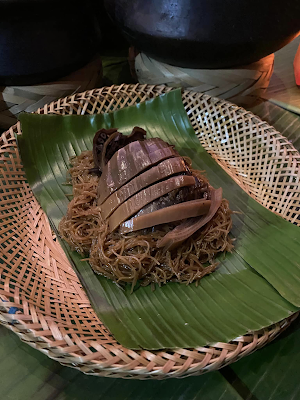
Pancit Puso from Cavite


  • Nilatik na Kalabasa from Iloilo: A sweet and creamy dessert made with squash and coconut milk.
Nilatik na kalabasa


  • Pagulong and Pasayan from Sorsogon (shrimp-based): Two distinct shrimp dishes showcasing different cooking methods.
Pagulong at pasayan


  • Kinilaw na Langka from Cebu: A refreshing and tangy dish made with raw jackfruit and vinegar.


Kinilaw na Langka


In addition to the forgotten dishes, guests were also treated to a variety of other delectable Filipino dishes, such as:

  • Glazed Banana Liempo: Sweet and savory pork belly glazed with banana.
Glazed Banana Liempo


  • Burong Hipon: Fermented shrimp with a tangy and slightly spicy flavor.
Burong Hipon


  • Kilawing Isda sa ube at ampalaya using King Fish: A refreshing ceviche made with king fish, purple yam, and bitter melon.
Kilawing Isda


  • Tinolang Halaan: A flavorful soup made with clams and vegetables.

Tinolang Halaan


  • Halabos na Hipon at Alimasag: Steamed shrimp and crab.
Halabos na hipon at alimasag


  • Lechon: The quintessential Filipino roast pig.
Lechon is the star of every Filipino gathering


  • Crispy Pata: Deep-fried pork knuckles.
Crispy Pata


Adobong manok sa gata

Grilled pork, squid and pompano fish


Pinipig lollipop 


Leche Flan

A medley of native desserts to cap off our meal


Salo-Salo sa Waterside

PHP 2700+


Appetizers – pampagana

Buro “surf &turf” (fermented red rice with pork mask) 

Embutido stuffed inasal wings 

Glazed banana liempo lumpia (spring roll) 

Pusit isaw (squid skewers) 

Hibe ukoy bao (dried shrimp fritter steamed bun) 

Kilawin isda sa ube at ampalaya (vinegar cured bitter gourd and fish) 


Main dishes – ulam

Inihaw na pompano calamansi brown butter 

Suwam na mais 

Tinola halaan sa kawayan 

Inihaw na Pusit

Crispy pata 

Inihaw na liempo 

Chicken adobo sa gata  

Longganisa stuffed lechon manok 

Lauya-Iloilo

Tiyula Itum-Davao


Vegetable – Gulay 

Tortang talong

Pagulong at Pasayan- Sorsogon

Nilatik nga kalabasa-Iloilo


Rice and noodles 

Pancit puso- Cavite

Plain rice

Garlic rice 


Condiments – all set on the table

Atchara (pickled papaya)

Banana ketchup spiced

Pinakurat (spiced vinegar)

Toyo (soy sauce)

Chicken oil

Patis (fish sauce)

Bagoong (shrimp paste)

Sukang paombong (palm sugar) 


Ensaladang talong

Kinilaw na langka-Cebu

Ensaladang mangga

Desserts- panghimagas

Pinipig lollipop 

Buko pandan

Minatamis na saging con yelo

Tupig

Leche flan 

Fresh fruits


The Salu-Salo menu at Waterside Restobar celebrates Filipino cuisine, showcasing classic and forgotten dishes. Chef Alfred Santiago's passion and expertise shine through in every dish, creating a truly memorable dining experience.

Enjoy delicious Filipino desserts like the Buko pandan, a cold dessert made of jelly cubes, coconut, and sweetened cream infused with pandan flavor, minatanis na saving con yelo, or banana with caramel sauce, leche flan or creme caramel, and pinipig lollipop.

It’s always a feast at Solaire Resort Entertainment City, and Salu-salo sa Waterside is the perfect setting for a memorable dining experience.  For inquiries and reservations, dial (+632) 8888 8888 or visit solaireresort.com. 


Sunday, May 2, 2021

Make Mother's Day Special by Treating Your Mom with AyosBusog Filipino Meals

A meal is always special when shared with the family


There are a few tangible items that all humans need: air, water, shelter, and of course, food. Eating is essential for most forms of life, and for most Pinoy chatting while eating is a common way to socialize. For most Filipinos, food is associated with wonderful memories and it's usually tied to family traditions. What most people don't realize is the importance of food as a way to bring people together. This Mother's Day, make the amazing women in your life feel special by treating them to awesome Filipino meals that are quality delicious food yet won't be burning your pockets. 

Filipinos love to gather together and eat in between conversations


Let AyosBusog help you treat your moms or anyone who has been a mom to you (be it your aunt, Lola, mom-in-law etc.) with their favorite Filipino favorite meals right at the comfort of their own homes. AyosBusog is the new food delivery service brought to you by the notable group behind popular brands like King Sisig, Bulalo World, and Lechon Factory restaurants. 

Forzen Beef Kare-kare is always a good idea.

Bulalo World's Frozen Original Bulalo is another delightful dish you can't afford to miss.

Those health conscious would be happy to know, Frozen Bangus Sisig is also available

Thursday, April 2, 2020

The Manila Hotel's Cafe Ilang-Ilang now offers Take-Out and Pick-up Food Service + Menu


The ongoing crisis that we all now experience (not just in the country, but all over the world), because of the pandemic Covid-19 virus that has plagued most parts of the world which had caused thousands of deaths made us all stay home. The enhanced community quarantine gave us limited time to buy our own food. So it's like having a ray of sunshine when you hear that your favorite all-time buffet restaurant, Cafe Ilang-Ilang from The iconic Manila Hotel now offers take-out and pick-up service. 

It may be a limited menu from The Manila Hotel's Cafe Ilang-ilang, but it will surely satiate your cravings of Filipino comfort food. The Manila Hotel Cafe Ilang-Ilang Takeout Menue may also be booked through pic-up services like Grab Express, LalaMove etc. The said takeout food service officially kicked off last Friday, April 3, 2020. 

Here, allow me to share with you the special limited Cafe Ilang-Ilang Takeout Menu from The Manila Hotel: 


Tuesday, October 9, 2018

Arki's Grill in San Miguel Bulacan: A Taste of Authentic Mookata Dining Plus More!

Arki's Grill in San Miguel Bulacan is along the highway so it's perfect for a stop over. 
Have you ever had a Mookata dining experience? I've just had them recently for the first time at Arki's Grill in San Miguel Bulacan. Imagine fresh meat, seafood and vegetables grilled right on your table with a light and steaming broth simmering at the sides of the special dome grill. 

Arki's Grill has a lot more to offer than just grilled food items. 
A visit to Arki's Grill was part of the two-part heritage and culture tour of the town of San Miguel in Bulacan where we also had the chance to attend and witness the recent San Miguel de Payumo Festival. Arki's Grill is owned by Architect/restaurateur Ervin Garcia and wife Kat Payawal-Garcia. 

Architect and restaurateur Ervin Garcia, owner of Arki's Grill
Arki's Grill offers Thai-Mookata style dining experience as well as Korean Samgyupsal among many others on their wide range of food choices on their menu. Thus, it gives diners a whole new and refreshing way to rediscover different cuisines. Indeed, Arki's Grill is another flavorful dining destination awaiting to be discovered in this bustling food scene in the town of San Miguel, Bulacan. Read on and take a tasty peek at some of Arki's Grill's signature and mouthwatering dishes...


On specific nights, Arki's also entertains guests with a live performance by local singers

With a cozy and homey vibe, Arkis'Grill welcomes guests with a smile

Arki's Grill also offers daily buffets at a very affordable price

Thai cuisine is known for its seamless blend of contrasting flavors with umami, sweet, sour, salty, and refreshing bitter notes capped by a soothing layer of heat in one dish. And that's exactly what you'll get at Arki's Grill when you order their Mookata meal. 

See those smoking Mookata flavorr cooked right in front of our table?
Arki's Grill Mookata is composed of grilling fresh ingredients delivered right on your table. With fresh shrimps, beef, pork, chicken, kani, enoki mushrooms (my all-time favorite!), meat balls, vermicelli noodles, and fresh greens--is the perfect set to get acquainted with Mookata-style dining. 

Purple Plum Fairy with blogger friends Mercedes Maata and Daryll Dial Villena having fun at Arki's Grill as we cooked our Mookata.


Tuesday, November 7, 2017

Mama Sita Foundation and Ateneo Celebrate Ilocano Cuisine and Crafts

Sweet Potato is the highlight of the night

Who would've thought that the mere Sweet Potato or locally known root crop Camote would be the highlight of the night when the Ateneo de Manila's students of SA 157: Introduction to Cultural Heritage under Fernando N. Zialcita, recently organized a special dinner featuring Ilocano cuisine? Camote was served in different ways that night. I never even thought there were a lot of other ways we could serve our good 'ol camote aside from having it boiled as it is or as camote cue.


Ilocanos are vegetable lovers


Ilocanos are known for their love for vegetables and root crops. They're vegetable-loving people and they would only include meats during special occasions where they serve some of the most popular Ilocano meat dishes such as igado, bagnet, dinardaraan, among many others. But then, these dishes are reserved for fiestas but aren't served during ordinary days. 


Ilocano Recipes for a Warmer Planet

Related Posts Plugin for WordPress, Blogger...