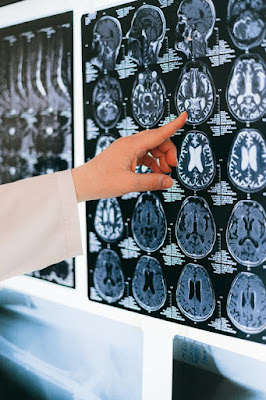
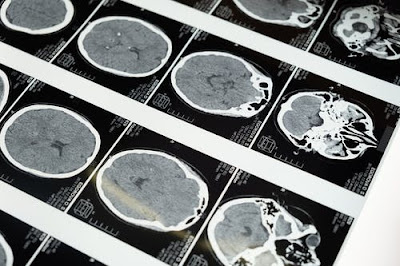
According to a panel of doctors, a brain tumor is a mass or growth of abnormal cells in your brain. There are actually a lot of different types of brain tumors that exist. Some brain tumors are noncancerous (benign), and some brain tumors are cancerous (malignant). Brain tumors can begin in your brain (primary brain tumors), or cancer can begin in other parts of your body and spread to your brain as secondary (metastatic) brain tumors.
How quickly a brain tumor grows can vary greatly. The growth rate, as well as the location of a brain tumor, determines how it will affect the function of your nervous system.
Brain tumor treatment options depend on the type of brain tumor you have, as well as its size and location.
What are the signs and
symptoms of brain and spine tumors?
*Headache
*Nausea
*Vomiting
* Vision problems
*Speech difficulty
*Hearing difficulty
*Weakness in Arms and
Legs
*Confusion
*Balance difficulty
But contrary to what most
people believed, headaches are not necessarily caused by tumors. In fact, it is
rarely caused by a brain tumor. It may be the presenting symptom in 25% of
brain tumors. It arises from increased pressure from tumor growth and swelling.
What headache symptoms
require immediate medical care?
*Progressive headaches
*Headaches associated
with neurologic symptoms
*Headaches that awaken
you at night
*Headaches that worsen
with exertion or physical activities
Nausea and vomiting are
usually from increased intracranial pressure from an enlarging tumor.
Involvement of structures near the vomiting center.
Blurring of vision or
double vision: Can present as blurred or double vision, abnormal eye movements, and restricted field of view. Causes may arise from increased pressure in the brain or compression of specific brain structures.
Signs and Symptoms of Seizures: Uncontrolled jerking movements of the extremities, loss of consciousness/awareness, temporary confusion, cognitive or emotional symptoms, fear, anxiety, abnormal smell.
FACTS: Most seizures are not caused by brain tumors. Seizures from brain tumors are usually focal in character. A late-onset seizure/epilepsy should raise suspicion for a possible anatomic cause (stroke, tumor)
BALANCE PROBLEMS:
From impingement of brain structures that control coordination. May be accompanied by dizziness and cranial nerve dysfunction (facial pain/numbness/weakness, hearing loss, swallowing, and speech pattern).
Tumors in different parts of the brain or spinal cord can cause different symptoms. But these symptoms can be caused by any abnormality in that particular location — they do not always mean a person has a brain or spinal cord tumor.
• Tumors in the parts of the cerebrum (the large, outer part of the brain) that control movement or sensation can cause weakness or numbness of part of the body, often on just one side.
• Tumors in or near the parts of the cerebrum responsible for language can cause problems with speech or even understanding words.
• Tumors in the front part of the cerebrum can sometimes affect thinking, personality, and language.
• If the tumor is in the cerebellum (the lower, back part of the brain that controls coordination), a person might have trouble walking; trouble with precise movements of hands, arms, feet, and legs; problems swallowing or synchronizing eye movements; and changes in speech rhythm.
• Tumors in the back part of the cerebrum, or around the pituitary gland, the optic nerve, or certain other cranial nerves can cause vision problems.
• Tumors in or near other cranial nerves might lead to hearing loss (in one or both ears), balance problems, weakness of some facial muscles, facial numbness or pain, or trouble swallowing.
• Spinal cord tumors can cause numbness, weakness, or lack of coordination in the arms and/or legs (usually on both sides of the body), as well as bladder or bowel problems.
The brain also controls functions of some other organs, including hormone production, so brain tumors can also cause many other symptoms not listed here.
Having one or more of the symptoms above does not necessarily mean that you have a brain or spinal cord tumor. All of these symptoms can have other causes. Still, if you have any of these symptoms, especially if they don’t go away or get worse over time, see your doctor so the cause can be found and treated, if needed.
Cardinal Santos Medical Center's Brain and Spine Institute is a leading force in the field of neurosciences in the Philippines. It provides a full spectrum of neurological services for adults and pediatric with disorders of the brain, spine and neurovascular abnormalities through its subspecialty centers: the Philippine Gamma Knife Center, the Brain and Spine Tumor Center, the Philippine Movement Disorder Surgery Center, the Cardinal Santos Spine Center, the CSMC Stroke Service, the Neurophysiology Center, and the Cardinal Santos Memory Center. It is a recognized referral center for neurological diseases in the country.
Aside from the services mentioned above, they also cater to the following services as well:
Adult and Pediatric Brain and Spine Tumors
Congenital, Traumatic, Infectious and Degenerative Spine Disorders
Neurovascular Disorders
Congenital Brain Disorders
Neuromuscular Disorders
Neuropathic Pain Diseases
Dementia and Memory Disorders
Neurodevelopmental Disorders
Epilepsy
Sleep Disorders
Stroke
During the said webicon, Dr. Theodore S. Vesagas, MD, Director of Philippine Gamma Knife Center also discussed Gamma Knife Radiosurgery process and treatment. Gamma Knife surgery is a painless computer-guided treatment that delivers highly focused radiation to tumors and lesions in the brain. Gamma Knife surgery is used to treat brain tumors, arteriovenous malformations, trigeminal neuralgia, acoustic neuroma and tremors.